Bromley Road terrace garden care by Catford gardeners
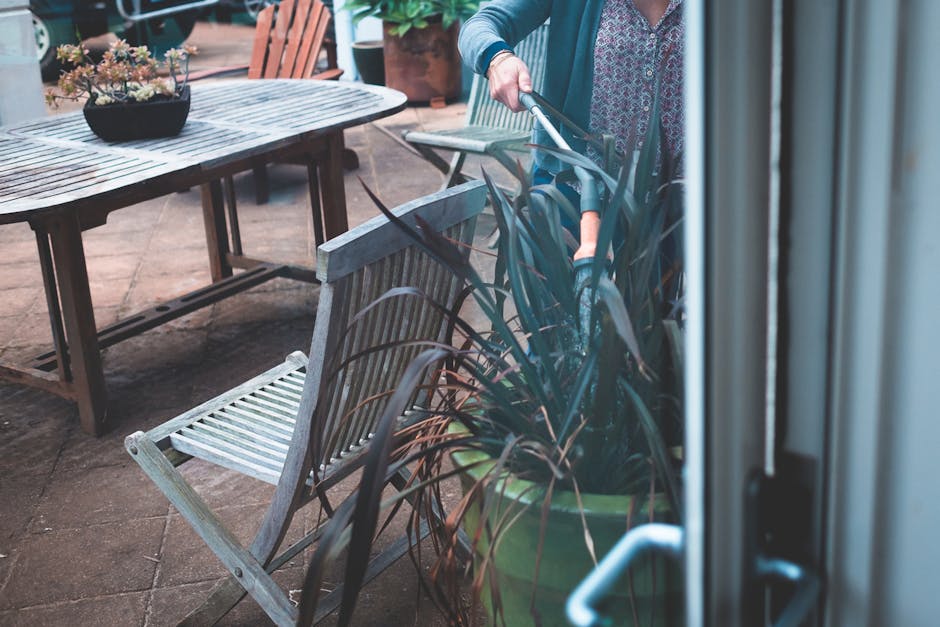
If you live on Bromley Road, you already know the charm of a terrace garden: compact, private, and a little bit demanding. One wet week and the patio starts to slide. A sunny spell, and the pots dry out faster than you expected. That is exactly where Bromley Road terrace garden care by Catford gardeners makes life easier. With the right routine, a terrace garden can feel calm, tidy, and genuinely usable all year round.
This guide breaks down what terrace garden care involves, why it matters in a busy South London setting, and how local gardeners approach the job in a practical, no-nonsense way. You will also find a checklist, a comparison table, common mistakes to avoid, and a few realistic tips that make a real difference. No fluff. Just the stuff that helps.
- Why Bromley Road terrace garden care matters
- How the service works
- Key benefits and practical advantages
- Who this is for and when it makes sense
- Step-by-step guidance
- Expert tips for better results
- Common mistakes to avoid
- Tools, resources and recommendations
- Law, compliance, standards, or best practice
- Options, methods, or comparison table
- Case study or real-world example
- Practical checklist
- Conclusion
- Frequently asked questions
Why Bromley Road terrace garden care by Catford gardeners Matters
Terrace gardens look straightforward from the street, but in practice they ask quite a lot of you. They are usually narrow, exposed to wind in pockets, shaded by fences or buildings, and easy to neglect when life gets busy. A terrace garden on Bromley Road may also sit close to brickwork, paving, decking, or side access points, which means small maintenance issues can quickly become visible and annoying.
Regular care is not just about keeping things neat. It protects the health of the planting, keeps hard surfaces safer, and helps prevent the kind of slow build-up that turns a pleasant outdoor space into a job you keep putting off. Fallen leaves in corners, moss on paving, congested shrubs, overfilled planters, and patchy lawns all add up. Before long, the whole garden can feel smaller than it really is.
In our experience, terrace gardens often suffer from one of two extremes: too little care or too much random effort. People trim a hedge once, buy three new pots, then do nothing for two months. Or they overwater, overprune, and wonder why the planting looks tired. A steadier routine tends to work better. Simple, consistent, a bit boring even - which, to be fair, is usually what gardens like best.
For local homeowners, landlords, and tenants alike, a well-kept terrace garden can also support the overall feel of the property. It makes the space easier to use for morning coffee, children's play, or a quiet evening after work. You notice it most on a summer evening when the light is soft and the air still holds a bit of warmth. A tidy terrace garden just feels different.
How Bromley Road terrace garden care by Catford gardeners Works
Good terrace garden care usually starts with a quick, honest assessment. What needs cutting back? What is thriving? Where is water collecting? Which areas are short on light? A local gardener will look at the space as a whole rather than treating each plant as a separate problem. That matters, because small gardens work best when the balance between planting, paving, containers, and access is right.
A typical visit may include light pruning, lawn care if a lawn is present, hedge trimming, weed removal, planting tidy-up, deadheading, patio sweeping, and a general refresh of the space. If the garden has become cluttered over time, some households benefit from a more involved garden clearance before the regular maintenance routine starts again. That can stop you trying to manage three seasons of build-up in one afternoon.
For more structural improvements, such as reshaping boundaries, improving levels, or changing the layout so the space feels larger, some people look at landscape gardening or broader landscaping work. The point is not to make the terrace look like a show garden. It is to make the space feel usable, balanced, and easier to maintain week after week.
Catford gardeners also tend to work with the realities of local access. Terraces can be tight, so tools, waste bags, and materials need planning. There is often very little room to store compost, spare pots, or piles of cuttings. That means efficient site handling matters more than people expect. A neat finish is only part of the job; the ability to work cleanly in a compact space is just as important.
Key Benefits and Practical Advantages
There are plenty of benefits to professional terrace garden care, but the most useful ones are often the quiet, everyday ones rather than the dramatic before-and-after stuff.
- Better use of space: A compact garden can feel twice as usable when clutter, dead growth, and awkward corners are managed properly.
- Healthier planting: Regular pruning, feeding, and tidying help reduce disease pressure and encourage stronger growth.
- Safer surfaces: Leaves, algae, and moss on paving or steps can become slippery, especially in damp weather.
- Less overwhelm: Small gardens become much easier to maintain when the routine is broken into manageable tasks.
- Improved kerb appeal: Even a modest terrace garden can make a property look more cared for and welcoming.
- Better seasonal response: A local gardener can adapt the work to spring growth spurts, summer watering demands, autumn leaf fall, and winter protection.
There is also a subtle emotional benefit. A well-kept terrace garden tends to invite use. You start stepping outside more often. You notice the jasmine scent at dusk, or the way a tidy row of pots makes the whole place feel ordered. That sounds small, but it really is not.
If your garden includes a decked area, regular maintenance helps keep it looking good and reduces the build-up of grime around the edges. For some homes, decking services are part of the longer-term plan, especially where the terrace needs a durable surface that suits compact outdoor living.
And if the space includes a hedge, fence line, or screening planting, keeping structure under control matters even more. A light, regular cut is usually better than a dramatic trim once a year. Less stress for the plants. Less stress for you. Everyone wins, honestly.
Who This Is For and When It Makes Sense
Bromley Road terrace garden care is useful for a wide range of people, but it is especially relevant if your garden is small, enclosed, or heavily used. These spaces need more judgement than size. A tiny terrace can be quite unforgiving if you get the maintenance rhythm wrong.
This kind of care makes sense for:
- homeowners who want the garden to feel tidy without spending every weekend on it
- busy families who need a practical outdoor space, not another project
- landlords preparing a property between tenancies
- older residents who prefer managed maintenance rather than physically demanding jobs
- new movers who have inherited an overgrown or neglected space
- people planning to sell or let a property and wanting the garden to present well
It is also useful after a long stretch of bad weather. A terrace garden can go from "fine" to "bit of a mess" in a very short time. One windy week and the pots are tipped, the path is messy, and the planting has a few broken stems. Not a disaster. Just one of those things.
If you are unsure whether you need regular maintenance or a one-off reset, a sensible first step is to start with a full tidy-up and then move to a lighter upkeep schedule. That approach often saves money and avoids unnecessary work later. It also gives you a clearer sense of what the garden actually needs, rather than what it looks like it needs on a rushed Saturday afternoon.
Step-by-Step Guidance
Here is a practical way to think about terrace garden care. This is not about perfection. It is about building a system that fits the space.
- Assess the layout. Check where the sun lands, where water pools, and which areas are narrow or hard to reach.
- Remove waste and clutter. Clear dead leaves, broken pots, old plant ties, and anything that blocks circulation through the space.
- Cut back overgrowth. Trim shrubs, climbers, and hedges with an eye on shape, light, and access.
- Refresh the hard surfaces. Sweep patios, clean steps, and remove algae or moss where it is becoming slippery.
- Check containers and soil. Replace tired compost, lift rootbound plants if needed, and ensure drainage holes are not blocked.
- Water properly. Give plants a thorough soak less often rather than a light splash every day, unless the species needs otherwise.
- Feed and mulch. A light top-up of nutrients and mulch can help plants cope with dry spells and variable weather.
- Review the structure. Ask whether the garden would work better with fewer pots, improved edging, better screening, or some replanting.
A useful habit is to divide the work into zones. One corner this week, another next week. That way the garden never feels like a mountain. It feels manageable, which is a big difference.
If the garden has become seriously congested, especially after months of neglect or a busy growing season, a proper garden clearance may be the cleanest way to reset things before routine care takes over.
Expert Tips for Better Results
Small gardens reward precision. You do not need grand gestures; you need careful decisions made at the right time.
1. Do less, but do it more often. Terrace gardens usually respond better to regular light work than occasional heavy intervention. A quick tidy every couple of weeks can prevent the entire space from slipping.
2. Watch the corners. The edges of a terrace garden are where problems hide. Moss gathers there. Weeds root there. Dead leaves drift there. It is rarely the centre that gives trouble.
3. Keep vertical growth under control. In compact gardens, a shrub that gets too tall can steal light and make the whole space feel boxed in. A sensible trim can open things up far more than people expect.
4. Choose containers with purpose. A few good pots beat a crowd of mismatched ones. Too many containers can make a terrace feel smaller, not richer.
5. Match planting to the light. Shady narrow gardens need different planting choices from sun-trap terraces. This sounds obvious, but it is one of the most common reasons plants fail.
6. Plan for water movement. If rain has nowhere to go, you get puddles, staining, and unhappy roots. It is worth checking this before adding more planting or features.
7. Build the care around the property, not around ideal conditions. A Bromley Road terrace may have neighbours close by, limited storage, and a bit of awkward access. Fine. Work with the reality of the space.
Truth be told, the best gardens are not always the fanciest ones. They are the ones that feel easy to live with.
Common Mistakes to Avoid
Most terrace garden problems are not caused by dramatic errors. They come from small habits that build up quietly.
- Overwatering containers: This can drown roots and leave compost sour or stagnant.
- Letting hedges and climbers run unchecked: They quickly dominate a compact space and reduce light.
- Ignoring drainage: A terrace garden that holds water will always feel a bit tired, no matter how nice the planting is.
- Using too many decorative objects: Cute at first, then suddenly the garden has nowhere to breathe.
- Cutting shrubs too hard at the wrong time: This can stress plants and leave ugly gaps.
- Skipping waste removal: Cuttings and leaf litter left behind can attract pests and make surfaces slippery.
- Trying to solve everything with new plants: Sometimes the issue is structure, not planting. A bit of pruning or clearance can do more than another trip to the garden centre.
One slightly unglamorous mistake is forgetting access. If the gardener cannot move easily between the front and back, or if waste has to be carried through the house, the job needs planning. That is where a bit of professional experience really helps.
Tools, Resources and Recommendations
For terrace garden care, the right tools matter more than the number of tools. You want compact, reliable equipment that suits small-space work.
| Task | Useful tool or method | Why it helps in a terrace garden |
|---|---|---|
| General tidy-up | Hand rake, bags, stiff brush | Fast removal of leaves and debris without damaging small planting areas |
| Pruning and shaping | Secateurs, loppers, hedge trimmer where suitable | Helps maintain structure and keep growth within bounds |
| Paving and patio care | Brush, scraper, low-pressure cleaning approach | Clears slippery build-up and improves the look of hard surfaces |
| Container planting | Fresh compost, mulch, watering can or controlled hose use | Supports plant health and efficient watering |
| Heavy reset | Clearance plan and waste removal | Useful when the space has drifted into chaos a bit |
For ongoing upkeep, many people pair terrace garden care with general garden maintenance so the work stays consistent across the year. If the space includes boundary planting or screening hedges, hedge trimming can be part of the schedule too.
When the garden contains a lawn, even a small one, a simple mowing routine keeps the area looking sharper than many people expect. You do not need a perfect bowling green. Just a neat, regular cut. The kind that makes the whole terrace feel sorted.
For more ambitious changes, especially if you are redesigning the layout or replacing a tired outdoor setup, it may help to look at landscape gardening or broader landscaping support rather than piecemeal fixes.
Law, Compliance, Standards, or Best Practice
For ordinary terrace garden care, the main compliance concerns are safety, waste handling, neighbour awareness, and sensible working practice. The exact requirements depend on the job, but a careful contractor will usually work in a way that avoids nuisance and reduces risk.
That means taking care with ladders, sharp tools, trip hazards, and moving waste through narrow access routes. It also means being sensible about noise and timing in a residential street. Nobody wants hedge work at an awkward hour, and neighbours rarely enjoy a surprise early-morning strimmer session.
When waste is removed, it should be handled responsibly and separated where practical for recycling or green-waste processing. If the job involves larger cuts, heavy material, or old overgrowth, a clear waste plan matters. Sustainable handling is not a bonus anymore; it is simply part of doing the job well.
It is also worth checking that any contractor has suitable insurance and follows safe working practice. If a gardener is working near difficult access, on raised surfaces, or with tree work, these basics matter even more. You can read more about general site care in the company's health and safety policy and insurance and safety information. For waste and greener disposal choices, recycling and sustainability is worth a look too.
Payment expectations, deposits, and quote clarity should also be straightforward. Clear scope, clear timing, and clear pricing avoid a lot of headaches later. Simple, but important.
Options, Methods, or Comparison Table
Not every terrace garden needs the same level of attention. Some spaces only need seasonal refreshes, while others benefit from regular maintenance. The table below gives a simple way to compare the common options.
| Approach | Best for | Strengths | Limitations |
|---|---|---|---|
| One-off tidy-up | Lightly neglected gardens, pre-sale preparation | Quick visible improvement, useful reset | Problems can return if follow-up care is not planned |
| Regular maintenance | Busy households, rented homes, active outdoor spaces | Keeps the garden under control, easier to budget around | Needs a consistent schedule |
| Clearance then maintenance | Overgrown, cluttered, or long-neglected gardens | Best for a full restart, removes the backlog | More initial effort than a simple tidy |
| Design-led improvement | Gardens needing a better layout or new features | Can improve usability and appearance long term | Requires more planning and usually a bigger budget |
In practice, a lot of terrace gardens work best with a combination: a seasonal reset, then lighter maintenance through the year. That is often the sweet spot.
Case Study or Real-World Example
Here is a realistic example from the kind of terrace garden people often have along streets like Bromley Road. The space started as a narrow paved area with three large pots, a tired hedge line, some patchy container planting, and a build-up of leaves along the fence. Nothing dramatic. Just a garden that had slowly lost shape.
The first step was not replacing everything. It was clearing the dead material, cutting back the hedge, reshaping the overgrown climber, and sweeping the hard surfaces properly. Once the clutter was gone, the space looked bigger straight away. Funny how that works, really. The remaining plants could breathe, and the pots no longer felt crowded into a corner.
After the reset, the maintenance plan was simple: light hedge trimming every so often, seasonal deadheading, a check on watering during dry spells, and periodic leaf clearance. The owner did not need a complete redesign, just a calmer routine. That is often the case with terrace gardens. They rarely need more stuff. They need better management of what is already there.
There was also one small improvement that made a bigger difference than expected: reducing the number of pots and choosing a few with stronger structure. Suddenly the eye had somewhere to rest. The garden felt intentional rather than accidental. Small change, big lift.
Practical Checklist
Use this checklist if you want to keep a Bromley Road terrace garden in decent shape between visits.
- Remove leaves, twigs, and loose debris from corners and edges
- Check for slippery patches on paving, steps, or decking
- Deadhead spent flowers and cut back ragged growth
- Trim hedges and shrubs before they block paths or light
- Water containers thoroughly, especially during dry spells
- Inspect pots for cracked bases, drainage issues, or rootbound plants
- Keep access routes clear for bins, tools, and garden waste
- Move or remove overcrowded decor that makes the space feel cramped
- Look for early signs of disease, pests, or damaged stems
- Schedule a proper maintenance visit before the garden becomes overwhelming
If you want the garden to stay easy rather than erratic, this checklist is a decent place to start. Nothing fancy. Just steady habits.
Get a free quote today and see how much you can save.
Conclusion
Bromley Road terrace garden care by Catford gardeners is really about making small outdoor spaces work properly. Not just looking tidy for a day, but staying manageable through the seasons. When the garden is compact, every pruning decision, every swept path, and every cleared corner matters a bit more than it does in a larger plot.
The good news is that terrace gardens respond well to consistent care. You do not need grand plans or endless weekends. You need a clear routine, sensible maintenance, and a local eye for what works in tight South London spaces. That is often enough to transform the feel of a place. Quietly, steadily, in the background.
If your terrace garden has been slipping, or you simply want it handled with less stress and more know-how, the next sensible step is to get the space assessed and decide whether it needs a tidy-up, a reset, or ongoing care. Either way, a calmer garden is within reach.
And if you have been meaning to sort it for weeks now, well, this may be the nudge. Gardens rarely improve by accident.
Frequently Asked Questions
What does Bromley Road terrace garden care by Catford gardeners usually include?
It usually includes tidying, pruning, hedge trimming, patio or path sweeping, weed removal, container care, and general upkeep tailored to a compact garden. If needed, it can also include clearance or more structural improvement work.
How often should a terrace garden be maintained?
That depends on the planting and how the space is used, but many terrace gardens benefit from regular light maintenance rather than occasional heavy work. In busy seasons, monthly or fortnightly attention may be more realistic.
Is terrace garden care different from regular garden maintenance?
Yes, a bit. Terrace gardens are usually smaller, more enclosed, and more dependent on efficient use of space. That means pruning, access, drainage, and container management matter more than they might in a larger garden.
Can a neglected terrace garden be restored?
Usually, yes. If the garden has become overgrown or cluttered, a clearance and reset can make it manageable again. After that, a regular maintenance plan helps keep it from slipping back.
Do I need landscape gardening or just maintenance?
If the space is basically fine but untidy, maintenance is often enough. If the layout feels awkward, the planting is not working, or the garden looks smaller than it should, landscape gardening may be the better option.
What are the most common problems in terrace gardens?
The biggest ones are poor drainage, overgrowth, crowded pots, weeds in edges, slippery paving, and plants that do not suit the light levels. Compact gardens show these issues quickly, which is annoying, but also useful because you spot them early.
Can Catford gardeners help with hedge trimming in a terrace garden?
Yes. Hedge trimming is often a key part of terrace garden care, especially where screening or boundary growth is making the space feel boxed in. A neat trim can open the garden up surprisingly well.
What should I do before a gardener arrives?
Clear access if you can, move fragile items, and mention any areas of concern such as drainage, loose paving, or plants you want kept. A little preparation saves time and reduces guesswork.
How do I know if I need garden clearance first?
If the garden is cluttered, heavily overgrown, or difficult to walk through safely, a clearance is usually the right first step. It creates a clean base for regular maintenance afterwards.
Is terrace garden care suitable for rental properties?
Absolutely. It can help landlords and tenants keep the outdoor space presentable, reduce complaints, and make the property easier to manage between tenancies. A tidy terrace often makes a better impression than people expect.
What should I look for in a local gardener?
Look for practical experience with small gardens, a clear approach to safety and waste handling, and a willingness to explain what the garden needs without overselling. Good gardeners tend to be straightforward. Usually the best sign.
Can a small terrace garden still feel private and attractive?
Yes, very much so. With the right planting, tidy screening, and careful use of space, even a narrow garden can feel calm and welcoming. It does not need to be large to be lovely.
If you want a terrace garden that feels easier to live with, not harder, a local maintenance plan is often the simplest and smartest way forward.