Gardening guide for Catford Station and Rushey Green
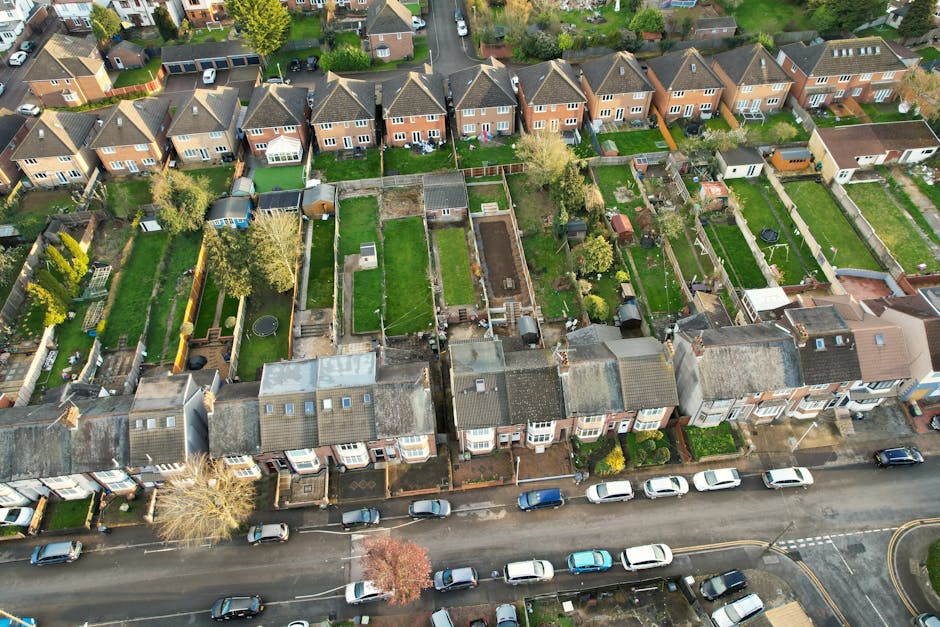
If you live, work, or pass through Catford Station and Rushey Green, you already know the gardens here have a particular kind of life to them. Front plots can be compact, back gardens can be surprisingly deep, and the whole area gets the usual London mix of shade, traffic dust, paving, and those odd pockets of sunshine that make one corner thrive while another stays stubbornly damp. This Gardening guide for Catford Station and Rushey Green is built to help you make sense of it all: what tends to work, what often goes wrong, and how to keep a garden looking tidy without turning it into a weekend chore that never ends.
Whether you are sorting a small terrace, a shared outdoor space, or a larger family garden that needs regular attention, the basics stay the same: healthy soil, sensible planting, reliable maintenance, and a plan that fits the way you actually live. Let's face it, most gardens do not need perfection. They need rhythm, care, and a bit of common sense. That is the real trick.
Table of Contents
- Why Gardening guide for Catford Station and Rushey Green Matters
- How Gardening guide for Catford Station and Rushey Green Works
- Key Benefits and Practical Advantages
- Who This Is For and When It Makes Sense
- Step-by-Step Guidance
- Expert Tips for Better Results
- Common Mistakes to Avoid
- Tools, Resources and Recommendations
- Law, Compliance, Standards, or Best Practice
- Options, Methods, or Comparison Table
- Case Study or Real-World Example
- Practical Checklist
- Conclusion
- Frequently Asked Questions
Why Gardening guide for Catford Station and Rushey Green Matters
Gardening in this part of south-east London is not just about making things look neat for the sake of it. A well-kept garden can soften a busy street, make a small home feel bigger, and give you a proper place to breathe after a day around transport hubs, shops, and traffic. Around Catford Station and Rushey Green, outdoor space often has to work hard: it may need to be attractive, low-maintenance, child-friendly, pet-friendly, and not too fussy about the weather. That is a lot to ask of a few square metres, but it is absolutely possible.
It also matters because neglected gardens can snowball quickly. A few weeks of rain, a patch of couch grass, a hedge that grows a little too confidently, and suddenly the whole space feels harder to use. In our experience, people usually do not call for help because they want a dramatic transformation. They call because things have got a little out of hand and they want the garden back on their side. Fair enough too.
There is another reason this local approach matters: gardens near busy roads and station routes can pick up grime faster, and planting can be affected by shade from buildings, wind tunnels between properties, and compacted ground. That means a one-size-fits-all approach rarely works. Local conditions really do shape the result.
Expert summary: the best garden plan for Catford Station and Rushey Green is one that balances seasonal maintenance, realistic planting, and simple routines you can actually sustain. Not fancy. Not overcomplicated. Just sensible.
How Gardening guide for Catford Station and Rushey Green Works
At its core, this kind of gardening guide works by breaking the outdoor space into manageable jobs and timing those jobs so they support the garden instead of fighting it. Think of it as a cycle rather than a one-off fix. You assess the area, clear what is blocking progress, decide what should stay, and then maintain the space in a pattern that matches the season.
A good local garden plan usually starts with four questions:
- How much sunlight does the garden actually get?
- What is the soil like once you get below the surface clutter?
- How much time do you really have to maintain it?
- What do you want the space to do for you?
That last one is easy to overlook. A garden for relaxed seating needs different treatment from a garden built mainly for children, pets, or easy upkeep. If you want a garden to be both attractive and practical, the layout matters as much as the planting.
From a service point of view, the work often sits across several areas: regular garden maintenance, tidy lawn mowing, clean and healthy hedge trimming, and occasional heavier jobs like garden clearance when things have become crowded or overgrown. If you are rethinking the layout entirely, landscape gardening and broader landscaping can help turn a difficult space into something far easier to live with.
The important thing is sequence. Clear first, shape next, then maintain. If you reverse that order, you spend more time fighting the same problems. Bit of a headache, really.
Key Benefits and Practical Advantages
A well-planned garden in Catford Station and Rushey Green brings practical benefits that go beyond appearances. People often focus on flowers and grass, but the day-to-day gain is usually much more ordinary and much more valuable.
- Better use of space: A tidy layout makes small gardens feel less cramped and larger gardens easier to move through.
- Lower maintenance stress: Once beds, paths, hedges, and lawns have clear roles, upkeep becomes quicker and more predictable.
- Improved kerb appeal: This matters if you are welcoming guests, tenants, customers, or simply want to feel better when you come home.
- Healthier planting: Regular pruning, feeding, mulching, and mowing help plants cope with local conditions.
- Reduced waste build-up: Clearing fallen branches, clippings, and debris stops the space from feeling neglected.
- Better safety: Fewer trip hazards, fewer hidden edges, and less overgrowth around paths and entrances.
There is also a mental benefit that people sometimes underestimate. A garden that looks manageable tends to feel manageable. You notice the difference on a grey Tuesday evening when you glance outside and think, yes, that is fine, I can deal with that. Small win, but a real one.
For many households, the best approach is to pair regular upkeep with occasional bigger interventions. A maintenance routine keeps things ticking over, while a clearance or redesign phase resets the space when needed. If you are aiming for a more polished finish, decking and structured hard landscaping can also create cleaner edges and reduce the amount of soil or lawn you need to maintain. See the decking services page if that sort of practical upgrade is on your mind.
Who This Is For and When It Makes Sense
This guide is useful for a wide mix of people. It is not just for homeowners with large gardens and spare time, because frankly those are not the only gardens that matter. It is for anyone trying to keep an outdoor area workable in a busy part of London.
- Homeowners who want a healthier, tidier garden without spending every weekend on it.
- Landlords and letting agents who need outdoor spaces presentable between tenancies or inspections.
- Busy families who need a safer, more usable space for everyday life.
- Older residents who prefer reliable upkeep instead of heavy seasonal catch-up jobs.
- Businesses or small premises that need grounds to look professional and not a bit forgotten.
- People planning a sale who want the outside to support the value and first impression of the property.
It also makes sense if you have been putting off the same job for months. We all do it. The hedge gets a little wider, the grass a little longer, the corner of the garden a little messier, and then suddenly the whole thing feels bigger than it is. That is usually the moment when a proper plan saves time and money.
If you are comparing service levels or trying to understand what is available, the services overview page is a sensible place to start before deciding what needs doing first.
Step-by-Step Guidance
Here is a practical way to approach a garden in Catford Station and Rushey Green without making the process more complicated than it needs to be.
1. Walk the garden slowly
Do a full lap. Look for overgrown edges, dead patches, blocked drains, slippery paths, leaning shrubs, and anything that is scraping fences or walls. You will often spot the real problem in the first two minutes, and then another one ten minutes later. That is normal.
2. Decide what the space must do
Ask whether the garden is mainly for relaxing, family use, low maintenance, growing plants, or all of the above. If you do not decide this first, every later decision gets muddled. A garden cannot be all things to all people, not without becoming messy.
3. Remove the obvious clutter
Start with broken pots, dead plants, stray timber, old soil bags, and accumulated debris. If the space has become seriously crowded, use a structured garden clearance approach rather than nibbling away at it in tiny, frustrating bits.
4. Reset the lawn and borders
Once the clutter is gone, the whole place becomes easier to read. Trim grass to a sensible length, define edges, and cut back plants that are swallowing pathways or hiding lighter, healthier growth. Good lawn mowing is not just cosmetic; it keeps growth balanced and prevents the lawn looking patchy or stressed.
5. Tackle hedges and shrubs properly
Hedges are often the quickest way for a garden to lose shape. They creep. Slowly, then suddenly. Regular hedge trimming helps maintain structure, light, and privacy without letting the hedge dominate the whole space.
6. Check trees and larger growth
If branches are shading the garden too heavily, hanging low, or rubbing against structures, you may need more than a light prune. In some cases, tree lopping and removal becomes part of the bigger plan, especially where safety or access is affected. Care is important here. No rushing.
7. Build a maintenance rhythm
Once the garden is under control, set a routine. Weekly or fortnightly attention for key areas is usually easier than waiting for an all-day rescue mission every few months. This is where ongoing garden maintenance pays for itself in reduced stress.
8. Review the layout
If the garden still feels awkward after the basics are done, look at the structure rather than the plants alone. Paths, paving, borders, seating, and drainage all shape how usable the space feels. A little planning can save a lot of future annoyance.
Expert Tips for Better Results
A few practical habits make a big difference in local gardens, especially where space is tight and conditions are mixed.
- Work with the light, not against it. Shade-loving plants do better in awkward corners, while sun-lovers need the brighter spots. Sounds obvious, but people still get this wrong all the time.
- Keep edges crisp. Clean lawn and border edges make the whole garden look cared for, even when planting is simple.
- Mulch bare soil. It helps retain moisture, suppress weeds, and makes beds look finished.
- Lift the canopy where appropriate. Light and airflow improve when shrubs and some trees are managed properly.
- Do little jobs often. A quick twenty-minute tidy each week can beat a six-hour rescue job later on.
- Store tools somewhere dry and easy to reach. If tools are awkward to get to, people stop using them. Human nature, really.
One tip that is easy to ignore: photograph the garden before and after major work. Not for show, just for reference. It helps you spot what changed, what worked, and what needs another pass. On a damp morning in February, that can be oddly useful.
If you are planning a larger outdoor refresh, it is worth thinking about how planting, surfaces, and drainage fit together. That is where landscape gardening can be much more useful than ad hoc fixes, especially when the aim is long-term ease rather than quick visual improvement.
Common Mistakes to Avoid
Most garden problems do not begin with one huge mistake. They start with several small ones that quietly stack up. Here are the ones we see most often.
- Cutting too much at once: Heavy pruning at the wrong time can stress plants and leave bare patches that take ages to recover.
- Ignoring drainage: If water pools after rain, the garden will always feel harder to manage.
- Letting one area set the tone: A neglected back corner tends to spread visually across the whole space.
- Using the wrong plants: A plant that hates shade will never look settled there, no matter how kindly you treat it.
- Skipping regular maintenance: Small jobs turn into bigger, pricier jobs if left too long.
- Overcomplicating the design: Too many materials, too many shapes, too many plant types. The garden can start to feel busy in a bad way.
Another common issue is trying to rescue everything at once. That is usually the moment people get overwhelmed and stop halfway. Better to make a priority list and work through it in order. Calm beats frantic every time.
If the garden has become crowded with waste, stacked cuttings, or old materials, a proper clear-out may be more effective than repeated tidying. That is where garden clearance really earns its keep.
Tools, Resources and Recommendations
You do not need a shed full of specialist kit to keep a garden in decent shape. In fact, simple tools used consistently are often better than expensive ones used once and forgotten.
| Tool or Resource | Best Use | Why It Helps |
|---|---|---|
| Secateurs | Small pruning and deadheading | Precise cuts reduce damage to plants |
| Shears or hedge trimmer | Hedge shaping | Keeps edges tidy and growth controlled |
| Lawn mower | Grass maintenance | Supports healthy, even growth |
| Rake and sturdy bags | Leaf and debris collection | Makes clean-up quicker and less messy |
| Spade or border fork | Bed prep and planting | Useful for loosening compacted soil |
| Gloves and eye protection | General garden work | Helps reduce minor injuries and irritation |
A practical recommendation: keep one small set of tools handy for weekly jobs and a separate plan for bigger tasks. It sounds trivial, but it reduces procrastination. If everything is buried under other stuff, no one bothers.
For people who want a more professional finish, service pages such as lawn mowing, hedge trimming, and landscaping can help you match the right type of work to the right part of the garden. And if the issue is simply too much accumulated mess, the garden clearance service is the more sensible first step.
Law, Compliance, Standards, or Best Practice
For most domestic gardens, the main thing to remember is not a complicated legal rule but a straightforward duty of care. You should keep the space reasonably safe, avoid creating obvious hazards, and be careful with anything that could affect neighbours, visitors, or passers-by. That is especially relevant where hedges, overhanging branches, slippery paths, or unstable structures are involved.
Best practice in the UK garden trade also leans heavily on responsible waste handling, safe use of equipment, and sensible risk control. If a job involves height, cutting tools, heavy lifting, or larger tree work, safety matters more than speed. Nobody wins points for rushing a risky job.
It is also sensible to check that any contractor you use follows clear safety procedures, carries suitable insurance, and explains how waste is disposed of. On larger jobs, transparency matters. You should be able to understand what is being done, what is not being done, and why. If that sounds basic, it is. But basic is good.
If you care about environmental responsibility, ask how green waste is managed and whether materials can be reused, recycled, or disposed of responsibly. A thoughtful approach to recycling and sustainability is usually a strong sign that the work is being done with the long term in mind.
For peace of mind around work practices, insurance, and safety expectations, it can also help to review the company's insurance and safety information and their health and safety policy. That sort of reading is not thrilling, admittedly, but it tells you a lot.
Options, Methods, or Comparison Table
Different gardens need different approaches. Some spaces just need routine care. Others need a reset. A few need both. Here is a simple comparison that may help.
| Approach | Best For | Strengths | Trade-Offs |
|---|---|---|---|
| Routine maintenance | Tidy gardens that only need regular care | Low stress, consistent results, easier budgeting | Not enough for major overgrowth or structural problems |
| Garden clearance | Neglected, cluttered, or overgrown spaces | Fast reset, removes obstruction, reveals the real layout | Can be more intensive at the start |
| Landscape gardening | Spaces needing better layout or visual structure | Long-term usability, improved flow, better design | Usually needs planning and a bigger commitment |
| Landscaping with hard features | Gardens that need structure, access, or easier upkeep | Creates clear boundaries and lower-maintenance zones | Can require more initial work and decision-making |
The right choice depends on what is currently making life difficult. If the garden is simply messy, maintenance may be enough. If the garden feels unusable, start with clearance. If it feels awkward even when tidy, consider redesign. Simple as that, really.
Case Study or Real-World Example
Here is a typical local scenario. A small family near Rushey Green had a back garden that had quietly slipped out of control over one wet spring. The lawn was patchy, the hedge was bulging into the patio, and the far end of the garden had become a sort of plant graveyard with pots, old canes, and a few items nobody could quite remember bringing outside in the first place.
The fix was not glamorous. First came a proper clearance of waste and dead material. Then the hedge was reduced to a sensible line, the lawn was cut back and edged, and the planting beds were simplified so they were easier to maintain. After that, a basic monthly routine was enough to keep everything in shape. Not perfect. Just comfortable, clean, and usable. Which, truth be told, is what most people want anyway.
The biggest change was not visual alone. The family started using the garden again because it no longer felt like a project waiting to happen. That is the kind of result worth aiming for.
Practical Checklist
Use this quick checklist before you decide what needs doing next.
- Check whether the garden is safe to walk through without dodging obstacles.
- Look for areas where weeds, moss, or standing water are building up.
- Measure how much sun and shade the garden gets during the day.
- Decide whether the space needs maintenance, clearance, redesign, or a mix of all three.
- Identify any hedges, trees, or shrubs that are blocking light or access.
- Confirm whether the lawn needs simple mowing or a more serious recovery plan.
- Make sure paths and edges are visible and not hidden by growth.
- Separate green waste from reusable materials where possible.
- Set a realistic upkeep schedule you can actually stick to.
- Review whether professional help would save time, effort, or repeated mistakes.
If you can tick most of those off, you are already ahead of the game.
Get a free quote today and see how much you can save.
Conclusion
A good garden in Catford Station and Rushey Green does not need to be complicated. It needs to suit the space, cope with local conditions, and stay within the amount of care you can realistically give it. That usually means regular maintenance, sensible pruning, a bit of seasonal attention, and the occasional reset when life gets busy and the garden slips.
The best outcome is not a showpiece that takes over your time. It is a space that feels calm, useful, and easy to keep in shape. A place where the grass is under control, the hedges behave themselves, and the whole garden feels like part of the home rather than another task on the list. And if you can step outside on a cool evening and think, yes, this is better, then the job is working.
To learn more about the wider service range, you may also want to explore about us, pricing and quotes, or contact us when you are ready to discuss the next step. Sometimes the simplest plan is the one that finally gets the garden moving again.
Frequently Asked Questions
What is the best way to start gardening near Catford Station and Rushey Green?
Start by clearing clutter, checking sunlight, and deciding what you want the garden to do. Once that is clear, it is much easier to choose planting, mowing, and maintenance priorities.
How often should a garden in this area be maintained?
That depends on size and layout, but most gardens benefit from regular attention rather than long gaps. Weekly or fortnightly touchpoints are usually enough for lighter upkeep.
Is garden clearance necessary before any redesign?
Often, yes. If the garden is overcrowded or full of debris, clearance makes it easier to see the real shape of the space and avoid designing around hidden problems.
What is the difference between landscaping and landscape gardening?
In practical terms, landscaping often refers to the broader structural work, while landscape gardening usually includes the planting and overall garden design. The two overlap quite a bit.
Can a small garden still look impressive with simple maintenance?
Absolutely. Clean edges, healthy planting, and a tidy layout often matter more than scale. A small space can look very polished when it is managed well.
When should hedges be trimmed?
Hedges are usually trimmed when growth starts to lose shape, block light, or spill into paths and boundaries. Timing depends on the hedge type, but regular light trimming is generally better than rare heavy cutting.
Do I need professional help for lawn care?
Not always, but professional lawn mowing can be useful if the lawn is uneven, overgrown, or difficult to manage consistently. It can also help if you want a cleaner finish without the hassle.
How do I know if a tree needs attention?
Look for branches that are hanging too low, blocking light, rubbing against structures, or creating safety concerns. If in doubt, it is better to assess the tree carefully rather than guess.
What should I do with old garden waste?
Sort it first. Some waste can be recycled or composted, while other materials need proper disposal. Responsible handling keeps the garden tidier and reduces repeat mess.
How do I keep a garden low maintenance without making it boring?
Use a simple layout, choose plants that suit the light and soil, and keep surfaces, edges, and borders clean. Low maintenance does not have to mean plain. It just means deliberate.
Is it worth improving the layout as well as the planting?
Usually, yes. A better layout can make the garden easier to use every day, which is often more valuable than adding more plants. The right structure saves work later.
What should I look for in a garden service provider?
Look for clear communication, sensible safety practices, relevant service options, and a transparent approach to pricing and waste handling. Trust your gut as well; if something feels vague, ask more questions.
For those who want to understand the wider commitment behind the work, the company's recycling and sustainability approach and health and safety policy are useful places to review. A good service should feel tidy in more than one sense.
And that is really the heart of it: a garden should make life lighter, not heavier. Even a small improvement can change how a home feels, one quiet corner at a time.