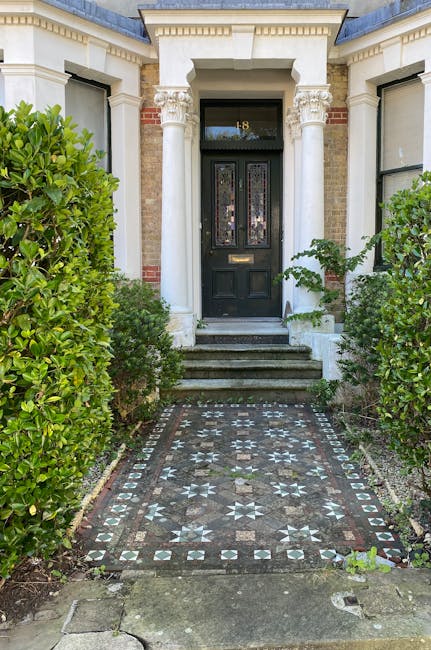
SE6 front garden ideas from Catford gardeners
If your front garden in SE6 feels a bit tired, overgrown, or simply not doing the job it should, you are not alone. Many Catford homes have compact front plots, awkward boundaries, shaded corners, or patchy lawns that never quite recover after winter. The good news? With the right SE6 front garden ideas from Catford gardeners, even a small space can look sharper, feel more welcoming, and be far easier to keep in shape. This guide walks you through practical design choices, common pitfalls, and the kind of improvements that actually work in a real London front garden, not just on a glossy mood board.
Whether you want a neat low-maintenance entrance, more kerb appeal, better privacy, or a front garden that feels greener without becoming a second full-time job, you will find workable ideas here. Let's get into it.
Table of Contents
- Why SE6 front garden ideas from Catford gardeners Matters
- How SE6 front garden ideas from Catford gardeners Works
- Key Benefits and Practical Advantages
- Who This Is For and When It Makes Sense
- Step-by-Step Guidance
- Expert Tips for Better Results
- Common Mistakes to Avoid
- Tools, Resources and Recommendations
- Law, Compliance, Standards, or Best Practice
- Options, Methods, or Comparison Table
- Case Study or Real-World Example
- Practical Checklist
- Conclusion
- Frequently Asked Questions
Why SE6 front garden ideas from Catford gardeners Matters
A front garden is the first thing people see, but that is only part of the story. In SE6, where homes often face a mix of traffic, footfall, shade, and variable soil conditions, the front garden has to do several jobs at once. It should look good, feel tidy, cope with regular use, and not become a hassle every time the weather turns.
That is why local knowledge matters. A garden idea that works in a large suburban plot may look lovely on paper, yet feel cramped or impractical outside a Catford terrace. A good local gardener understands the rhythm of the area: narrow driveways, modest frontages, older brick boundaries, and the reality that people want something attractive without endless upkeep. To be fair, that is what most homeowners want now. Something sensible, not fussy.
Front gardens also shape how your home is experienced day to day. You notice the path when you leave for work in the morning, the planting when you come back in the evening, and the whole feel of the place when visitors arrive. A well-planned entrance can soften hard lines, improve privacy, and make even a simple property feel more cared for. That lift is real. You can feel it as soon as you step through the gate.
If your front garden is currently working against you, this is the right moment to rethink it. Some spaces need a gentle refresh, while others benefit from a full reset using professional landscape gardening support or a broader landscaping approach. The point is not to make the garden complicated; it is to make it work.
How SE6 front garden ideas from Catford gardeners Works
Good front garden design usually starts with honest observation. Before anyone talks about plants or paving, they look at sunlight, drainage, access, boundaries, and how the space is used. In SE6, that often means checking what is shaded by a bay window, where rain tends to puddle, and whether the layout makes daily movement awkward. A garden that looks pretty but blocks the bins or makes the path slippery in winter is not really a good design, is it?
Once the basics are clear, the front garden can be shaped around a few strong decisions. These might include a tidier lawn edge, a gravel or planted border, a better path surface, a small seating or stepping area, improved hedging, or a cleaner transition between house and street. The best results usually come from combining structure with a limited number of planting choices, rather than squeezing in too many ideas at once.
In practical terms, a Catford gardener may start with clearance, then pruning, then surface preparation, and finally planting or hard landscaping. A space that has become cluttered with self-seeded growth, broken pots, or uneven turf often needs a reset first. If there is a lot to remove, garden clearance can be the sensible first move before design work begins. It sounds simple, but it saves a great deal of frustration later.
After that, maintenance needs to be part of the plan from day one. A front garden that looks great for three weeks and then collapses into a weedy patch is not a success. A better idea is to design around how much time you actually have, then keep on top of light upkeep through regular garden maintenance, lawn mowing, and hedge trimming where needed.
Key Benefits and Practical Advantages
The big advantage of a smart front garden is not just appearance. It is convenience. When the layout is sensible, the garden becomes easier to live with. It looks cleaner, requires less rescue work, and does not nag at you every time you leave the house. Small thing? Maybe. But it adds up.
- Better kerb appeal: A neat entrance makes the whole property feel more inviting.
- Lower maintenance: The right surfaces and planting reduce weekly hassle.
- Improved structure: Clear borders, paths, and height layers make even tiny plots feel intentional.
- More privacy: Carefully placed hedging or shrubs can soften views from the street.
- Safer access: Cleaner paths, even edges, and stable surfacing help reduce trip risks.
- Better seasonal interest: A mix of evergreen structure and changing planting keeps the garden from looking bare in January.
There is also a practical financial angle, though it is best not to make exaggerated claims. A front garden that looks cared for usually creates a stronger first impression, which can matter if you are thinking about selling or letting. Even if you are not, it makes returning home feel a bit better. That matters more than people admit.
And then there is the emotional piece. A front garden is personal territory. It is the small outdoor space that says, "someone lives here, and they care." That can be as simple as a clean path, a clipped hedge, and a bed that still has colour when the rest of the street looks flat.
Who This Is For and When It Makes Sense
Not every front garden needs a full redesign. Sometimes a tidy-up is enough. But there are clear moments when a more considered approach makes sense.
- You have a small SE6 front garden that feels cramped: A better layout can create breathing room.
- Your front garden is high maintenance: If you are constantly weeding, edging, and replanting, simplify it.
- You want more privacy from the street: A layered planting scheme or hedge can help.
- You have patchy grass or difficult shade: Some lawns never thrive in front gardens, especially under trees or near walls.
- You are preparing to sell or refresh the home: This is often the moment kerb appeal starts to matter more.
- You have accessibility concerns: Level access, wider paths, and stable surfaces can make daily movement easier.
This is also a good time to think about the broader use of your outdoor space. If the front garden is only ever going to be decorative, one set of ideas works. If it needs to support bins, bikes, deliveries, or wheelbarrow access, the design has to be more robust. That is where local experience helps, because the space has to be beautiful and usable. Not one or the other.
Step-by-Step Guidance
If you are starting from scratch, here is a practical way to approach an SE6 front garden without overcomplicating things.
- Assess the space honestly. Look at sunlight, drainage, soil condition, and what feels awkward. Photograph the garden at different times of day if you can. Morning shade and late-afternoon sun can produce very different conditions.
- Decide the main purpose. Do you want low maintenance, privacy, colour, structure, or a more welcoming entrance? Pick the top two. More than that, and the plan can get muddy fast.
- Clear the clutter. Remove dead plants, damaged edging, broken pots, and anything that no longer earns its keep. If the space needs a deeper reset, a proper garden clearance is usually the cleanest starting point.
- Choose the main surfaces. Decide whether the garden needs gravel, paving, mulch, turf, or a mix. In smaller front gardens, surface choice does a lot of visual heavy lifting.
- Build structure first. Edges, borders, a path line, hedge shape, or a simple retained bed should come before decorative details.
- Pick a limited plant palette. Three to five reliable plant types often look better than ten random ones. Repetition can be calming.
- Plan the maintenance. If the garden will need clipping, mowing, or pruning, make sure that effort is realistic. A beautiful garden that nobody can maintain tends to decline quickly. It happens all the time.
- Schedule the first season of care. New planting, freshly cut hedges, and newly laid surfaces all need an early period of attention. This is when the results are protected, not left to chance.
One useful trick: step back every so often and look at the front garden from the pavement. That street view tells you more than standing in the middle of the beds ever will. Funny thing, but it works.
Expert Tips for Better Results
Good front garden design is less about flashy features and more about getting a few basics right. Here are the details that often make the difference.
1. Use repetition to calm a small space
In a compact SE6 frontage, too many different plants or materials can feel noisy. Repeating one grass, one evergreen shrub, or one paving tone helps the eye settle. It does not have to be boring. Just coherent.
2. Keep the entrance clear
The front door zone should feel open, not crowded. Even decorative planting should leave enough room for natural movement, parcels, keys, and daily life. A space that looks tidy but is awkward to walk through is missing the point.
3. Balance soft and hard landscaping
Some front gardens lean too heavily on paving or gravel and end up looking harsh. Others are all planting and become hard to maintain. A balanced mix is usually better. If you want a stronger structural feel, a small amount of decking or a more considered landscape gardening layout can help, provided it suits the house.
4. Choose plants that can cope with your conditions
It is tempting to buy what looks nice at the garden centre on a bright Saturday. But front gardens in Catford can be windy, shaded, dry near walls, or compacted by foot traffic. Pick plants that suit the conditions, not just the mood.
5. Think about winter first
Many front gardens look lovely in May and limp by February. Keep some evergreen structure, bark, or architectural planting in the mix so the garden still has shape in colder months. A front garden that looks decent on a wet Tuesday in January is doing well.
6. Make maintenance decisions now, not later
Truth be told, most garden regrets happen because someone assumed the upkeep would sort itself out. It never does. If you know you will not mow often, keep lawn areas small. If hedges are going to grow fast, plan for regular hedge trimming. If trees are overshadowing the front, decide whether they should stay, be reduced, or be professionally assessed.
Common Mistakes to Avoid
Front gardens are deceptively easy to get wrong. Here are the mistakes Catford gardeners see time and again.
- Overcrowding the space: Too many plants or ornaments make a small garden feel cramped.
- Ignoring drainage: Waterlogged soil or pooling near paths becomes a long-term nuisance.
- Choosing thirsty, high-maintenance planting: It may look good briefly, then demand more attention than you expected.
- Leaving old hard edges in place: Worn edging and broken borders make even good planting look neglected.
- Using the wrong surface for the job: Gravel, paving, and turf all behave differently under foot and weather.
- Forgetting access and daily use: Bins, bikes, deliveries, and prams need space too.
- Skipping the maintenance plan: A garden is not finished when it is planted. That is only the first chapter.
One especially common issue is trying to rescue a front garden with small cosmetic tweaks when it really needs a structural rethink. A quick mulch top-up is fine if the bones are already good. But if the path is crumbling, the hedge is overgrown, and the lawn is half moss, a bigger reset is usually kinder in the long run.
Tools, Resources and Recommendations
You do not need a shed full of specialist kit to improve a front garden, but a few practical tools make life easier. Good shears, a sturdy spade, edging tools, a rake, a wheelbarrow, and proper gloves go a long way. For ongoing care, the right cutting tools matter more than people think; blunt tools leave ragged edges and can make plants look untidy even when the work is technically "done."
If you are planning a more substantial improvement, it helps to work with the right mix of services rather than trying to force everything into one approach. For instance, regular mowing can keep a small frontage crisp, while lawn mowing and routine garden maintenance can support a simpler, lower-fuss design. If the garden includes trees that are shading too much or encroaching on the house line, tree lopping and removal may be worth discussing carefully and professionally.
It is also worth checking the practical side of any contractor you use. A responsible garden team should be clear about safety, insurance, and how work is handled on site. You can review the company's insurance and safety information, and if you want a broader overview of what is offered, the services overview is a sensible place to start. If you are comparing costs, the pricing and quotes page can help set expectations before any work begins.
Small side note: if a front garden job sounds simple but involves broken edging, roots, hidden rubble, or awkward access, it rarely stays simple for long. Better to know that early.
Law, Compliance, Standards, or Best Practice
Front garden work in the UK is usually straightforward, but there are still sensible standards to keep in mind. If you are changing boundaries, removing trees, altering access, or adding hard surfaces near drains, it is worth checking what applies locally before work starts. In some cases, permissions or practical restrictions may matter, especially where trees, driveways, or water runoff are involved.
For everyday garden work, best practice matters more than red tape. That means thinking about trip hazards, stable surfaces, safe tool use, and clear access for residents and visitors. It also means being careful with tree work and larger pruning. If something is structurally significant or close to a building, it should be assessed properly rather than guessed at over the fence.
Responsible contractors also think about disposal and sustainability. Green waste should be handled properly, and reusable materials should not be thrown away without thought. If environmental handling matters to you, take a look at the company's recycling and sustainability approach. It is a small detail, but one that says a lot about how a team works.
And just to keep it grounded: if a design choice creates more slipping, flooding, or maintenance burden than it solves, it is probably not the right choice. Simple rule, but useful.
Options, Methods, or Comparison Table
Different front garden styles suit different homes and lifestyles. Here is a straightforward comparison to help you think through the options.
| Approach | Best for | Pros | Trade-offs |
|---|---|---|---|
| Low-maintenance planting | Busy households, small front gardens | Cleaner look, less weekly work, good seasonal structure | Needs a thoughtful plant palette and early setup |
| Mixed hard and soft landscaping | Homes needing stronger structure or access | Balanced appearance, practical underfoot, flexible layout | Can feel harsh if overdone |
| Compact lawn with borders | Front gardens with enough light and regular care | Fresh, familiar, softens the frontage | Requires mowing and edging to stay neat |
| Gravel and shrubs | Low-upkeep priorities and drier spots | Good drainage, tidy appearance, strong framework | Needs proper weed control and edging |
| Privacy-led planting | Street-facing homes and exposed plots | Softens views, adds enclosure, feels calmer | Can take time to establish |
If you are unsure which route suits your home, start by asking one question: what problem am I trying to solve? Too much upkeep? Too little privacy? A lack of structure? Once that is clear, the best method usually becomes obvious enough.
Case Study or Real-World Example
Here is a realistic example from the kind of front garden many Catford homeowners live with. Imagine a narrow SE6 frontage with tired lawn, a hedge that has grown unevenly, some patchy gravel near the path, and a couple of beds that have become more weed than planting. Nothing dramatic. Just one of those gardens that quietly bothers you every time you come home.
The first step is not to plant more. It is to simplify. The old edging is removed, the excess growth is cleared, and the hedge is cut back into a clean line. The lawn is either reduced or reworked, depending on how much light it gets. A clearer path edge is created so the entrance feels wider. Then a small group of evergreen shrubs and a few seasonal plants are added for colour, rather than filling every corner.
The change is not flashy. But the garden suddenly looks intentional. The house feels lighter from the street. Weekly upkeep becomes manageable, because there is less random growth to fight. And on a damp weekday morning, when the bins are out and the pavement is busy, the space still behaves itself. That is the real win.
In many cases, the project is supported by a light programme of hedge trimming, occasional lawn mowing, and scheduled garden maintenance so the front garden does not drift back into the same mess six months later. Not glamorous, but effective.
Practical Checklist
Use this checklist before starting or refreshing your front garden.
- Is the main purpose clear: low maintenance, privacy, kerb appeal, or access?
- Have you checked sunlight, shade, and drainage?
- Does the entrance feel open and easy to use?
- Have you removed clutter, dead growth, and broken materials?
- Are the surface choices practical for weather and foot traffic?
- Have you kept the plant list simple enough to manage?
- Is there enough evergreen structure for winter interest?
- Will the garden still look good if you miss a week or two of upkeep?
- Are hedges, lawns, and trees included in the maintenance plan?
- Do you know who will handle the tidy-up after the main work is done?
- Have you compared the costs and checked the service options?
If you can answer yes to most of those, you are in a strong position. If not, that is fine too. It just means the design needs another look before any money is spent.
Conclusion
The best SE6 front garden ideas from Catford gardeners are not necessarily the most dramatic ones. They are the ideas that make your home look cared for, feel easier to live with, and stay manageable through the seasons. In a place like Catford, where front gardens often have to work within limited space and real daily pressure, simplicity often beats complexity.
Start with the basics: clear the clutter, choose a clear purpose, keep the layout sensible, and plan for maintenance from the start. If you do that, even a small front garden can become one of the best parts of the home. Quietly, steadily, it changes how the place feels. And honestly, that is worth a lot.
If you are ready to turn a tired frontage into something neat, welcoming, and practical, the next step is simple.
Get a free quote today and see how much you can save.
Frequently Asked Questions
What are the best SE6 front garden ideas for a small Catford home?
The best ideas usually focus on clarity and low maintenance: a simple path, neat borders, one or two strong plant types, and a layout that avoids clutter. In small spaces, less really can be more.
How do I make my front garden look neat without spending every weekend on it?
Choose hard-wearing surfaces, limit the number of plant varieties, and keep hedges and edges under control. A design built around routine garden maintenance is much easier to live with long term.
Should I keep a lawn in my SE6 front garden?
Only if the space gets enough light and you are happy to mow and edge it regularly. Some front lawns work beautifully; others become patchy and disappointing. If grass struggles, a mixed planted design may be more practical.
What if my front garden is mostly shade?
Shade-friendly planting, evergreen structure, and good soil preparation are the main things to focus on. A shaded front garden can still look attractive, but it usually needs different plant choices from a sunny one.
Can a front garden improve kerb appeal?
Yes. A tidy, well-planned front garden creates a stronger first impression and makes the property feel better maintained. It does not need to be elaborate; it just needs to look intentional.
What is the difference between landscaping and landscape gardening?
In everyday use, the terms overlap quite a lot. Landscape gardening often refers more to planting and design-led work, while landscaping can include broader changes such as paths, surfaces, structure, and layout.
Do I need professional help for a front garden redesign?
Not always. Small tidy-ups can be done independently. But if the space needs clearance, structural changes, tree work, or a more polished finish, professional help can save time and prevent costly mistakes.
How do I stop my front garden from looking bare in winter?
Use evergreen shrubs, structured hedging, and planting with strong shape. Winter interest matters more than people think, because a front garden is seen every day, not just in summer.
What maintenance is usually needed after a front garden makeover?
That depends on the design, but common tasks include mowing, edging, hedge trimming, weeding, and seasonal tidying. If the garden includes larger shrubs or trees, occasional pruning may also be needed.
Is gravel a good option for front gardens in SE6?
It can be, especially where drainage or low maintenance is important. The key is proper edging and weed control. Without that, gravel can drift and start to look messy rather quickly.
How do I know if my front garden needs a full clearance first?
If you cannot clearly see the structure of the space because of overgrowth, dead material, broken items, or leftover debris, a clearance is often the right first step. It gives the design room to breathe.
What should I ask before booking garden work?
Ask what is included, how waste will be handled, whether the team is insured, and what ongoing maintenance might be needed. It is also sensible to review the company's insurance and safety information and pricing and quotes guidance first.
How long does it take to improve a front garden?
That depends on the size of the space and how much change is involved. A tidy-up can be done quickly, while a more complete redesign may take longer, especially if clearance, planting, or surfacing is part of the plan. The important thing is doing it properly, not rushing it. That little pause pays off.
For a home in SE6, a front garden does not have to be grand to be brilliant. It just has to feel like it belongs there, and that can be a lovely thing.